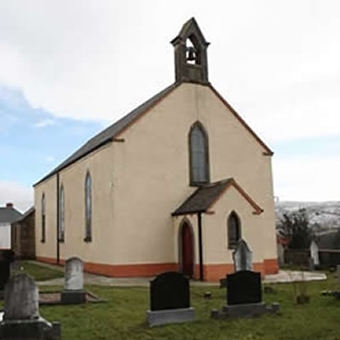
According to Rowan’s ‘Architecture of North-west Ulster, the Church of Ireland church in Ardara was erected in 1833. The first bell was installed in 1845, and repaired in 1954.
Most of the surrounding parishes had built new churches in the 1820s and 1830s by way of loans provided by the Board of First Fruits, but evidence that Ardara availed of that assistance is hard to find.
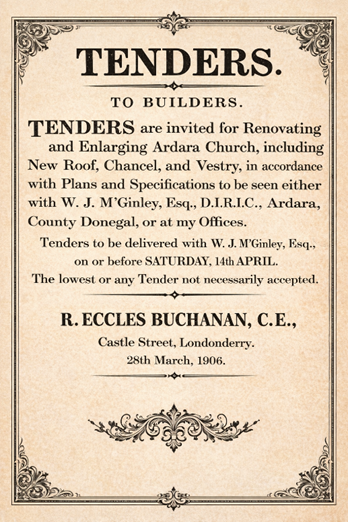
By 1877 the local Vestry had decided to carry out repairs and additions to the church, but it is doubtful if this took place. However, by the turn of the century extensive repairs were needed, so an ambitious plan of renovation was decided upon. Early in 1906 tenders were sought for the proposed works:
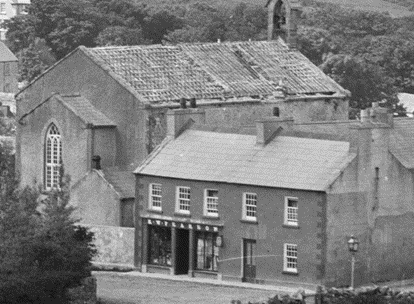
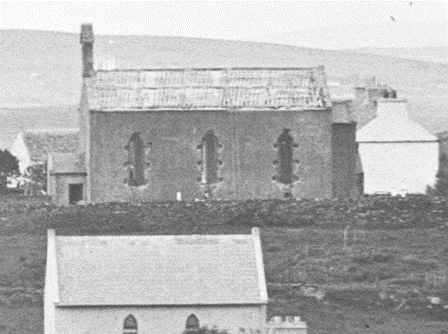
The tender was awarded to John Bloomfield of Fermanagh, and the work commenced early in the same summer. It so happened that Robert French, the lead photographer of the famous William Lawrence company, visited Donegal at that time, to take some views for the postcard trade. A few of his photos of Ardara survive; two of them showing the church under repair:
Looking south-west, showing the old slates removed. Pearsons’ grocery and hardware shop in the foreground. (Photo courtesy of the National Library of Ireland, Lawrence Collection)
The church, from the south, with old windows removed. (Photo courtesy of the National Library of Ireland, Lawrence Collection)
The renovations were completed in October, and the re-opening took place on Sunday the 7th of that month. The Press reported that:
Reopening – Sunday 7th Oct 1906
The Lord Bishop of Derry and Raphoe and the Ven, the Archbishop of Raphoe preached at the reopening services of Ardara Parish Church, and there were at both services large and deeply interested congregations. The renovations have been effected with great success by the contractor, Mr John Bloomfield, Brookeborough, county Fermanagh. The improvements, involved the remodelling of the building, and equipping the parish with a church of neat and artistic appearance and much comfort, a result on which both the rector (Rev. A. Knight) and the parishioners deserve to be congratulated. The outer walls were lowered and a new, open timbered roof provided. The interior has been wainscoted in pitch pine. The lowering of the windows was also part of the scheme, and the filling of them with leaded lights in cathedral tints has heightened the pleasing artistic effect. The aisle has been laid down in encaustic tiles of pretty pattern, and a new chancel arch gives grace and dignity to the interior. The seats were repainted and rearranged and the walls coloured. A number of generous gifts have marked the reopening. An oak Communion table was given by General Tredennick, D. L., and a handsome lectern by Rev. Arthur McQuade, and two friends; Mr William Burns and family presented a flagon in memory of a little son; the oak hymn-board was a gift from Mr Harry Spence; Rev.lk A. G. Stuart, Bogay, gave the oak font cover; and Messrs J. J. Pollock & Co., Londonderry, the linen tablecloth and napkins, while the prayer-book and office-book were the gifts of Mrs R. D. Buchanan and family in memory of their mother; a Bible for the lectern was presented by Mr G. Cunningham; and the chancel oak chairs were presented, one by Mrs G. Cunningham and the other by Miss Ellen Baskin and other members of the family, in memory of their father and mother. The money for the handsome set of suspension lamps of 100-candle power was collected by members of the choir – Misses McGinley, hon. Secretary and treasurer, Burnside, E. and M. Spence, M. Strong, and B. Baskin. The parishioners subscribed generously to the improvement fund, and gave most of the drawing and labour free. The morning service began with the consecration prayer, with the proper psalms and lessons. The Rector read Morning Prayer, the Archdeacon of Raphoe read the lessons. Miss Christie was the organist, and the choir sang with sweetness and expression. The Lord Bishop preached from Hebrews xi, 1., after which he said: ‘…. And I thank God for your faith and love, shown in the marvelous transformation of this place since last I was among you, in the help which others have given you, but much more in the large and splendid generosity of the rank-and-file of this little parish, who have done beyond what we could have hoped or asked from them’.
Ireland’s greatest athlete, Ronnie Delaney, was laid to rest yesterday, 16 March. In the extensive media coverage that followed, many people learned—some for the first time—that Delaney’s most influential coach was a Killybegs man, Jack Sweeney.
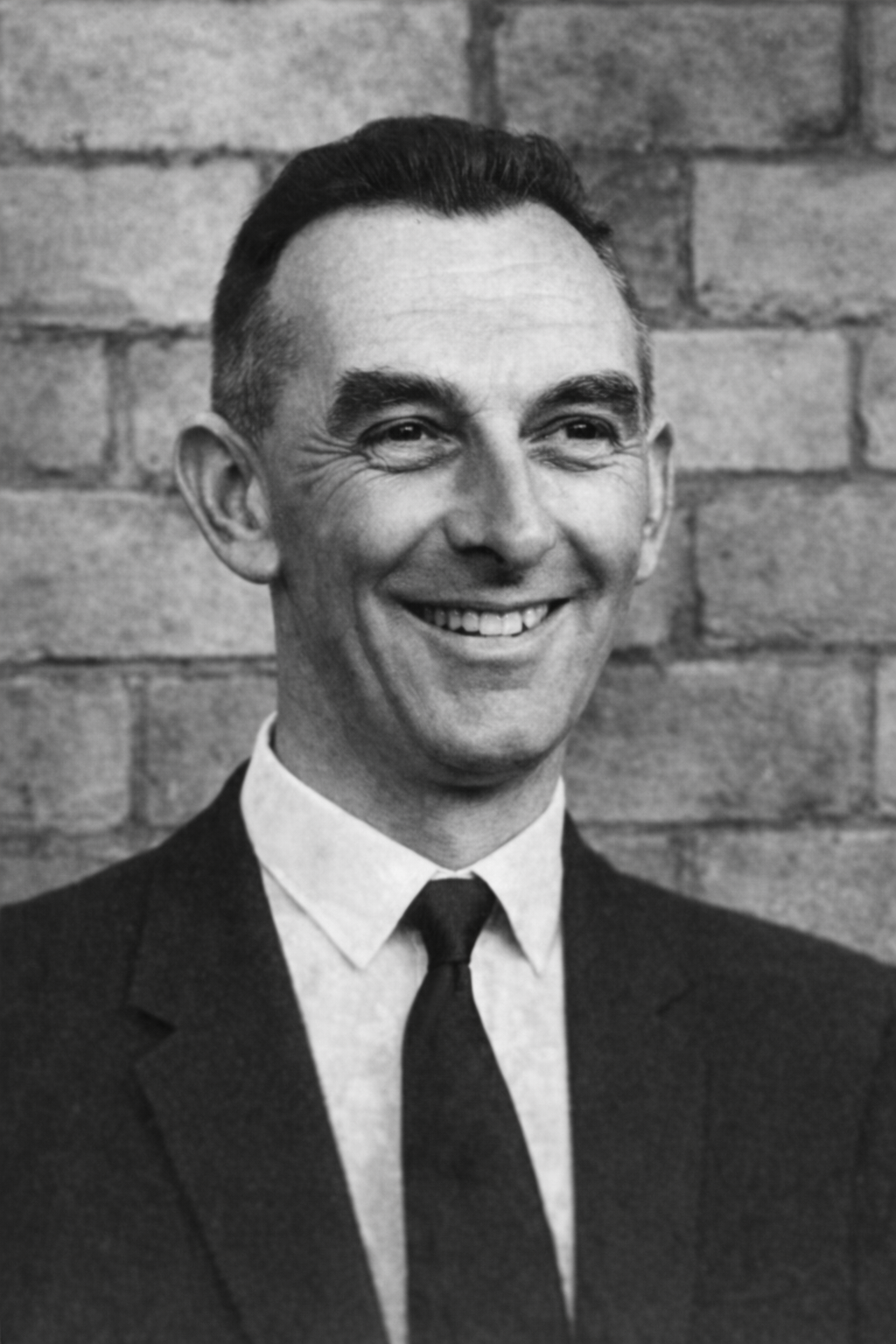
Jack Sweeney
Praise from Ronnie Delaney:
Delaney often credited Sweeney with shaping his entire approach to running. “Jack Sweeney taught me that the most important thing was the shape of the race—to be in a position to strike, to make the one move to win. That was the only tactic I knew, learned from my first coach, Jack Sweeney.” After his famous Olympic victory in Melbourne in 1956, Delaney sent a telegram to Sweeney that read simply: “We did it, Jack.”
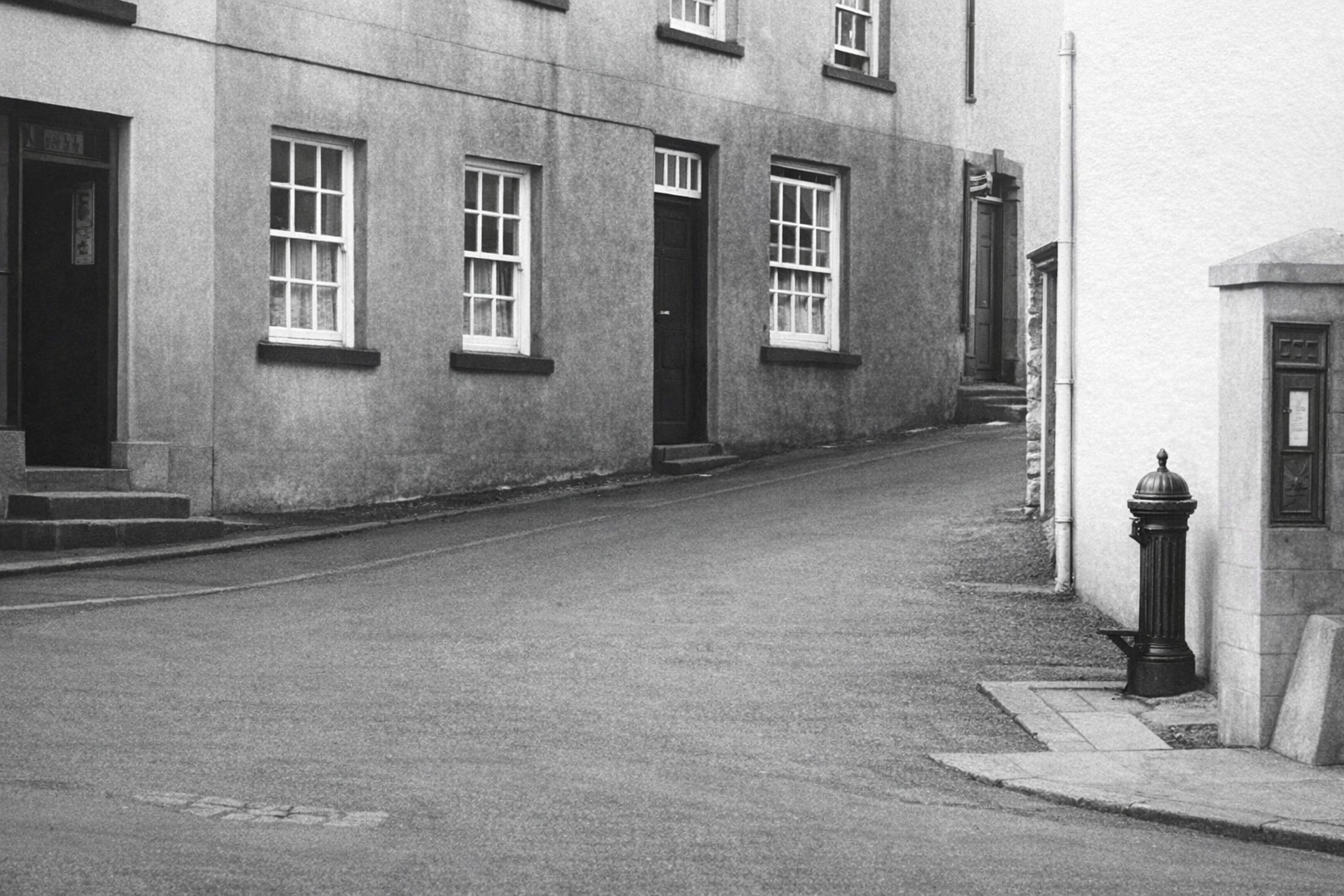
Jack Sweeney was born in a house—now demolished—that once stood at the junction of Main Street and Conlin Road. The McGilloway family were the last occupants, and the site is now a car park. At the beginning of the 20th century, the house was home to James Strain, a baker, and his family. Sweeney’s father, John, a Railway Guard, lived there as a lodger and married Strain’s daughter, Annie, in 1914. Their son, John Joseph Cecil—later known as Jack—was born in 1916. Another of the lodgers in Strain’s was James Nutt, who ran a bicycle shop next door; the doorway to the domestic part Nutt’s shop can be seen on the left.
James Strain’s Lodging house where Jack’s Father Resided. (Original Photo credit: Dr Donal Martin’s Then & Now. The passage leads to Conlin Road.
John Sweeney, the father, entered local history in 1920 during the Troubles when he refused to take charge of the Donegal–Killybegs train because four armed British policemen were travelling as passengers. He was dismissed for his refusal and forced to return to Donegal as a passenger. His replacement as Guard was subsequently refused lodgings in Killybegs.
Young Jack attended the Niall Mór School and later St Eunan’s College, Letterkenny. His sister, Eithne, won a scholarship to the Loreto Convent, Letterkenny, in 1932, valued at £12 per year for two years. In his youth, Jack was a regular member of the Killybegs Emeralds football team. He later studied at UCD and went on to become a mathematics master at the James Street Christian Brothers’ School.
Sweeney had an enduring passion for athletics. He devoted all of his spare time—and often his own money—to helping young athletes develop their careers. In addition to Delaney, he coached Brendan O’Reilly, Eamonn Kinsella, Gerry O’Gorman, Val McCann, and many others. He came to be regarded as one of the finest athletics coaches ever produced in Ireland.
Jack’s father was a brother of Charlie Sweeney, grandfather of Dr Charles, Nuala, Eddie, and Deirdre Sweeney of New Row, Killybegs.
Among Jack’s closest friends was Paddy Haughey of Teelin, an outstanding distance runner who represented Ireland on many occasions.
The Lobster War — or how the Frenchmen were finally run to ground off Donegal
When Napper Tandy landed at Burtonport in 1798, he arrived just in time to hear the thunder of defeat echoing from the Donegal coast, where the French fleet had been shattered. One hundred and thirty-eight years later, history—smaller in scale but no less spirited—prepared to repeat itself. Once again, French vessels would come to grief in the waters of Donegal.
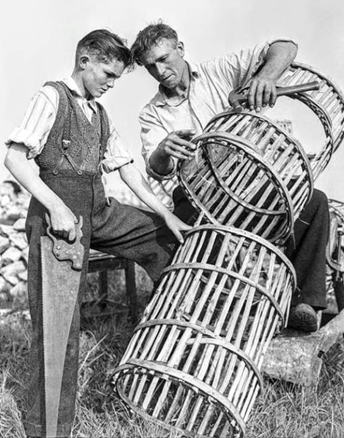
French-style pots
For years, the French well-boats had haunted the Irish coast like silent predators, prowling for lobsters and crawfish. They grew bold in the 1930s, emboldened further when Britain had withdrawn the last of its patrol cutters in 1923. With only a lone fishery protection ship—the ageing Muirchu—the Irish Free State struggled to defend its long coastline.
English trawlers were brazen enough, but the French were thieves. They plundered lobster pots openly, guns at the ready. Fishermen who dared intervene were met not with words but with gunfire. The French lifted Irish lobsters, set their own crawfish pots, and vanished over the horizon with their living cargo held in well-tanks. The Muirchu made her coal-runs to Killybegs, but each year she vanished to Birkenhead for repairs, leaving the coast exposed.
So, in the summer of 1936, Donegal lay undefended—its waters free for the taking. Or so the raiders believed. They had not reckoned with Garda Superintendent Tom Martin.
Recently posted to Killybegs, Martin was no ordinary official. A former old IRA man and Flying Squad veteran, he had once hunted the Black and Tans through the countryside. Now he was in charge of a newly strengthened divisional headquarters—one sergeant and six guards—and he intended to defend Donegal’s waters where the Navy could not.
As foreign trawlers once again descended—whitefish to Fleetwood, shellfish to France—Donegal’s fishermen watched helplessly. But when two French well-boats were spotted at Glen Head emptying pot after pot, word reached the Guards. The French skippers were already named: François Saladin and Yves Kersalé.
The Glen sergeant asked permission to give chase. Martin’s answer was simple: he would lead it himself.
Dingle men to the rescue
But first he needed a boat—and no Donegal skipper would risk his livelihood, or his life, against armed Frenchmen. Salvation came from the south: a handful of Kerry fishermen working from Killybegs, who knew French piracy all too well from their own coast. They stepped forward without hesitation.
Martin hired the Naomh Ruairí, newly built in Killybegs Boatyard for Tommy Brosnan of Dingle—a sturdy, carvel-built craft, fully decked and rigged for both sail and engine, a rarity in those waters.
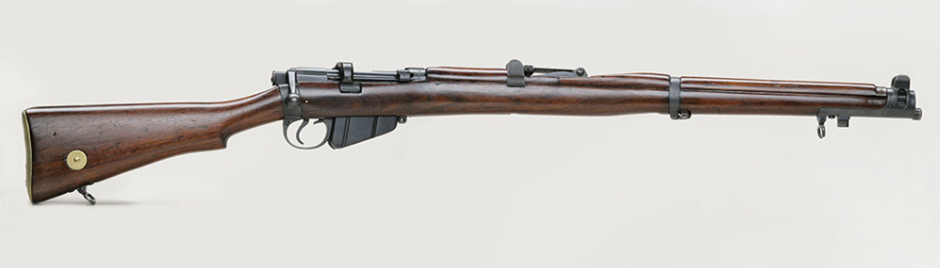
On 23 July 1936, Martin and his armed Guards boarded her, Lee-Enfields slung over their shoulders, and steamed out of Killybegs. Off Teelin, the fugitives were sighted. Signals were ignored. Martin fired a warning shot across the bow. Still the French pressed on.
Then came the volley.
Gunfire cracked across the water. The French skipper pretended to surrender—only to throw up sail at the last instant and open fire on the Naomh Ruairí. Bullets whistled through her rigging. The Guards returned fire, but the Frenchmen fled north through the Sound of Rathlin O’Beirne and making for Arranmore.
But this time Donegal was ready. Gardaí in the Rosses had been alerted. When the French approached Burtonport, thinking themselves safe, armed Guards were waiting. The crews were arrested; the boats seized and towed in triumph into harbour.
In court the charges were: fishing in prohibited waters, improper markings, unlicensed firearms. Saladin was fined £82, Kersalé £66; both lost their catch and their gear. Held in Burtonport barracks, they cooked their own meals and threatened hunger strike as their solicitor, Pa O’Donnell, appealed desperately to the French Consul.
At last, on 4 August, the fines were paid. The boats were released, and the skippers allowed to buy back their equipment for £15—a final indignity.
Jack Barry prosecuted; L. J. McFadden defended, with J. W. McLean of Dungloe interpreting the Breton French. The diplomatic ripples travelled far enough that a French fishery-protection ship, the Quentin Roosevelt, appeared off Donegal weeks later—a polite reminder that France, too, could show the flag when required.
Superintendent Martin settled in Killybegs for life, respected in the courts and in the town’s cultural life. He never lost his ease with a rifle. Even in retirement he was a hunter—foxes replacing Frenchmen. In 1937 his little fox terrier became a legend in its own right, killing five foxes in a single outing at Stonebrook, Loughros Point.
And so ended the last great sea chase of the Donegal lobster wars—fought not by navies, but by fishermen, Guards, and one determined superintendent who refused to yield Ireland’s waters to foreign poachers.
Many will visit the well on this cold, bright day, the waters of the harbour below placid in the sunshine.
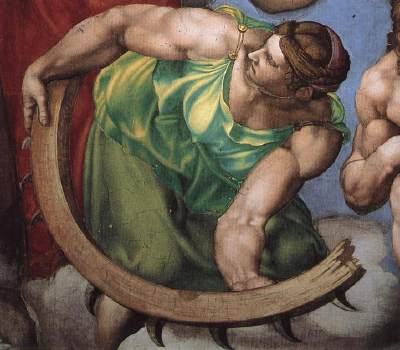
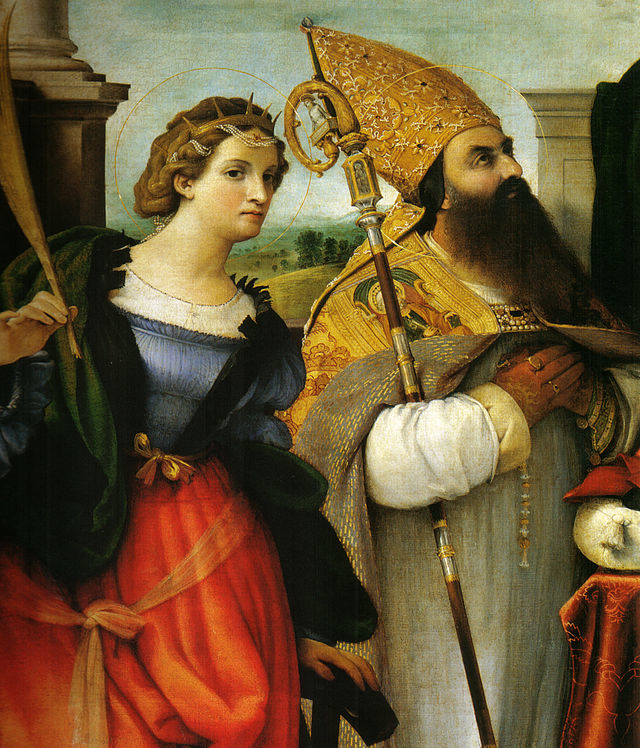
St Catherine of Alexandria came to the TV screen last month when next door’s king and queen visited the Sistine Chapel for a prayer service.
Whether they noticed St Catherine in her green robes above their heads we don’t know.
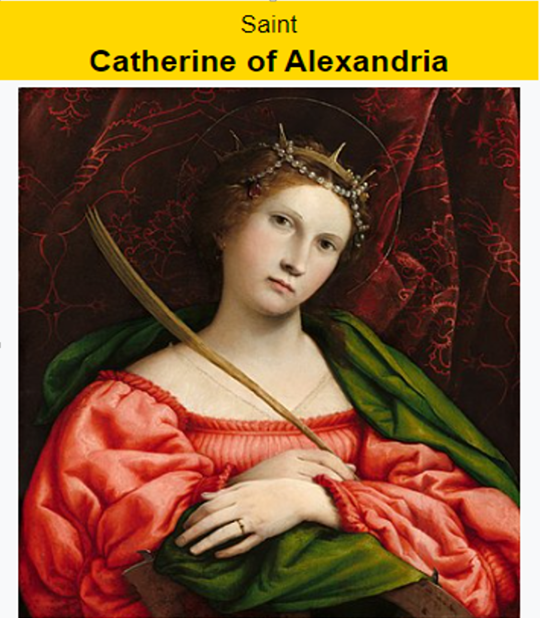
St Catherine holding the broken wheel
Michaelangelo painted nude figures in the frescoes, as he wished to indicate that they had been Divinely created. Come the Reformation, the figures were considered to be obscene, and the Pope of the day ordered them to be clothed. Another artist painted a copy of the Last Judgement before the covering took place, so the original state of the figures can be seen.
Last Judgement, pre-covering. Just behind St Catherine is St Blaise, holding the iron combs with which he was tortured.
The frescoes were cleaned and restored in the 1990s, and most of the covering was removed, but not all.
Some of those still covered are St Peter, St Bartholemew, and St Catherine.
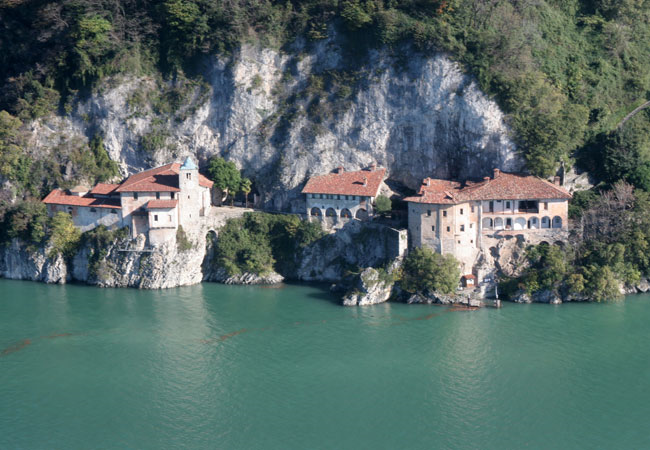
Staying with the Italian theme, here is a picture of the Eremo di Santa Catarina del Sasso (St Catherine’s Hermitage on Lake Maggiore).
This tradition is that this Hermitage was founded by a rich merchant who was saved through the intercession of St Catherine when he was caught in a storm, on Lake Maggiore. There are versions of this story told about St Catherine’s Well in Killybegs, but they can be regarded as a kind of universal tradition, and not necessarily true.
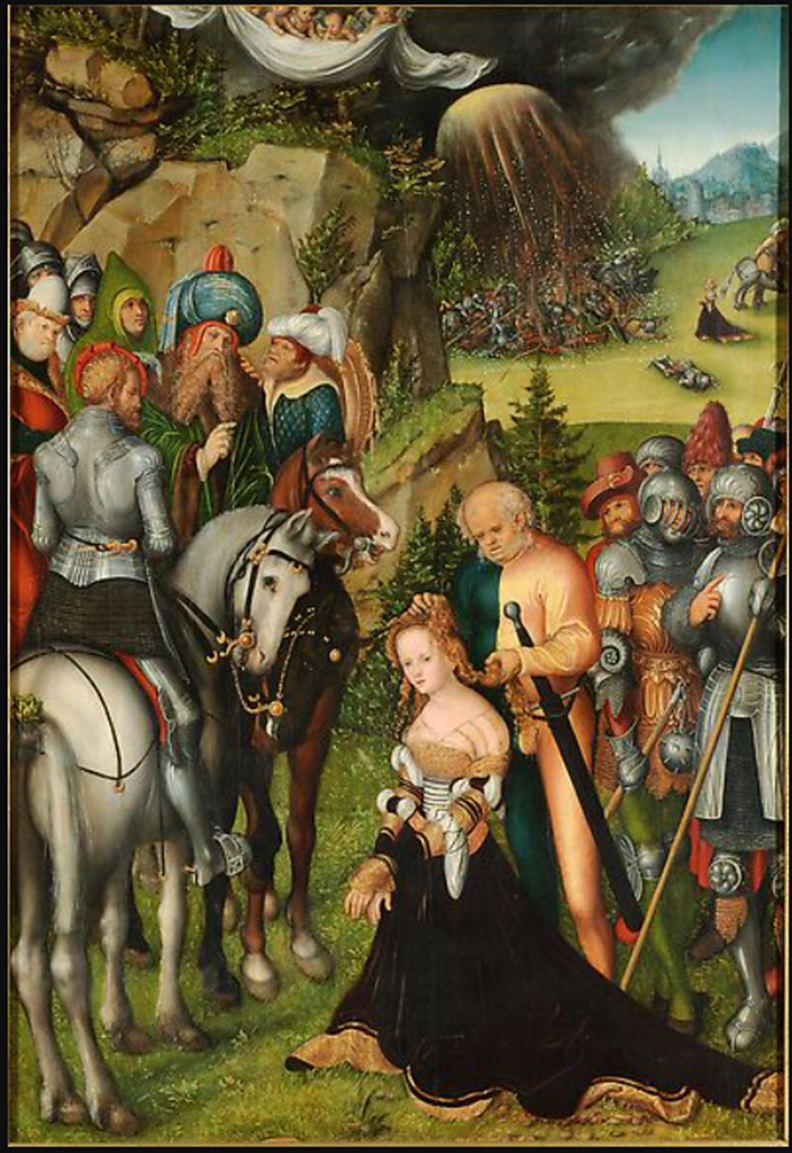
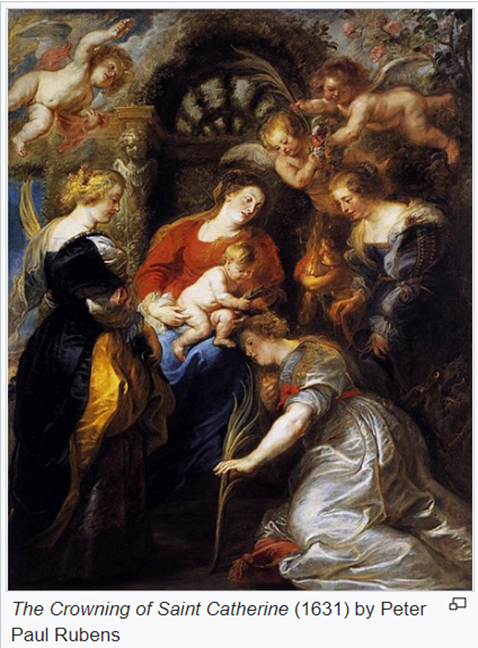
Many artists have painted St Catherine. Here is a picture by a German artist.
The Beheading of St Catherine of Alexandria by Lucas Cranac the Elder
One of the remotest national schools in Donegal stood about ten miles equidistant from Ardara, Kilcar, and Carrick. This was Crove/Croibh National School, No. 3499, which was founded about 1846.
Here generations of scholars ‘toiled up the steep hill of life’ to quote Thomas C. MacGinley, and toiled they did when learning their handwriting. This basic skill, which now seems unnecessary, was a vital subject in primary schools (still is) as it enabled the pupils to deal effectively with the other subjects.
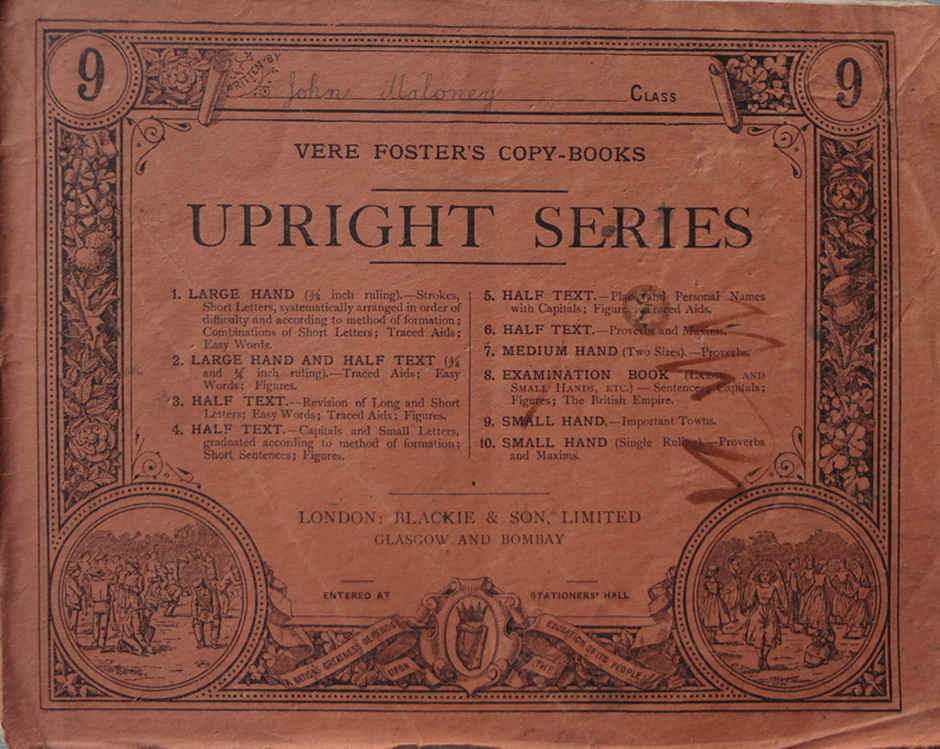
In Ireland the great influencer of children’s handwriting was Vere Foster (Google him), whose copy books were in use in every National school in Ireland, including Crove, up to the 1950s.
Vere Foster
Here’s an image of a Vere Foster copy book which was in use in Irish schools up to the 1950s.
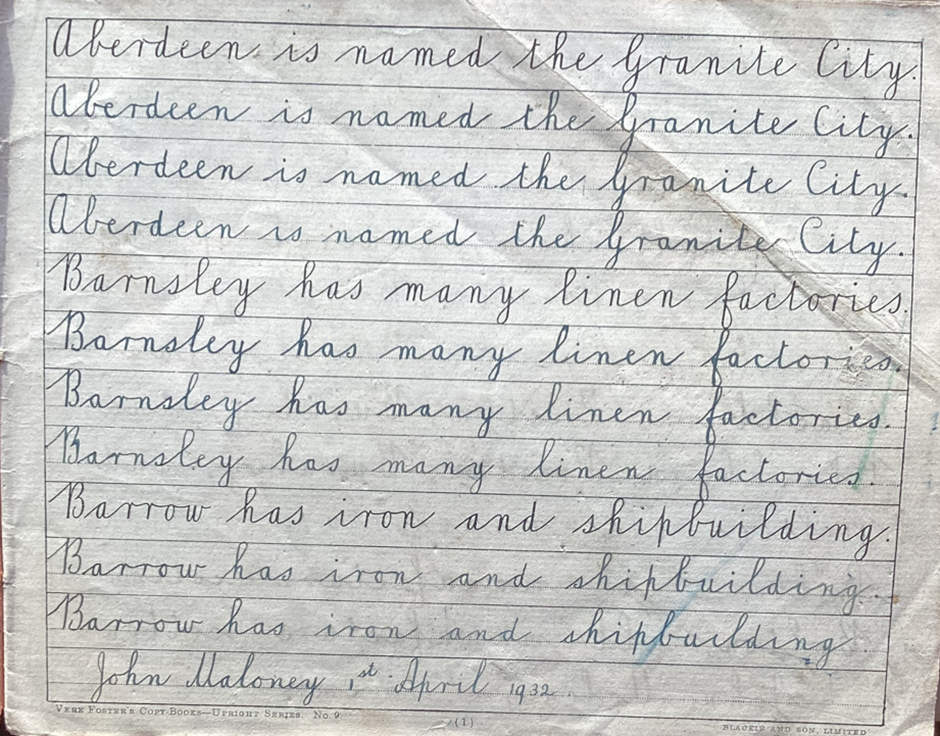
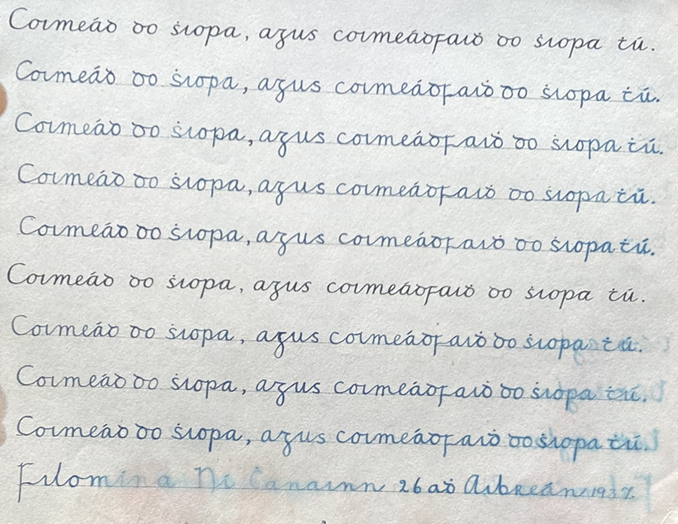
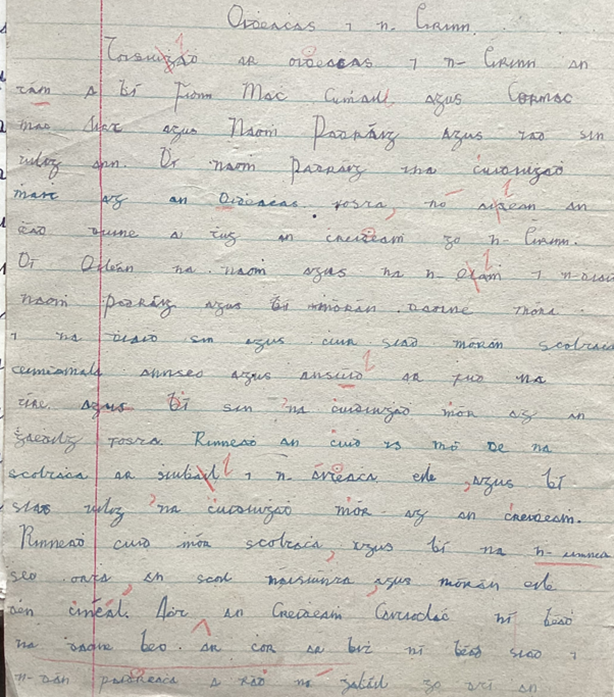
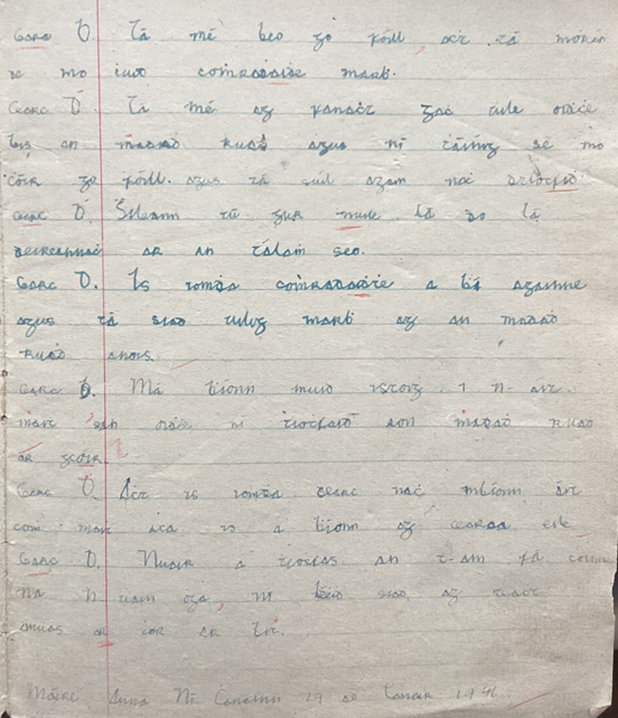
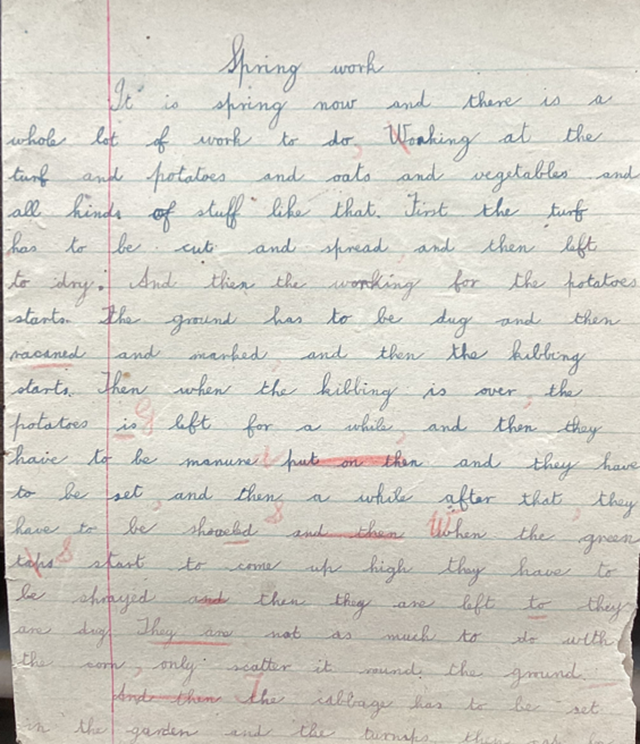
Below are a few examples of the Crove scholars’ handwriting from the 1920s and 1940s. First up is John Maloney from 1932. The first line was already printed, and the pupil had to copy another three lines. This was repeated twice. John Maloney’s script is so perfect that it is hard to distinguish between the original and his writing. Did he go on to study calligraphy?
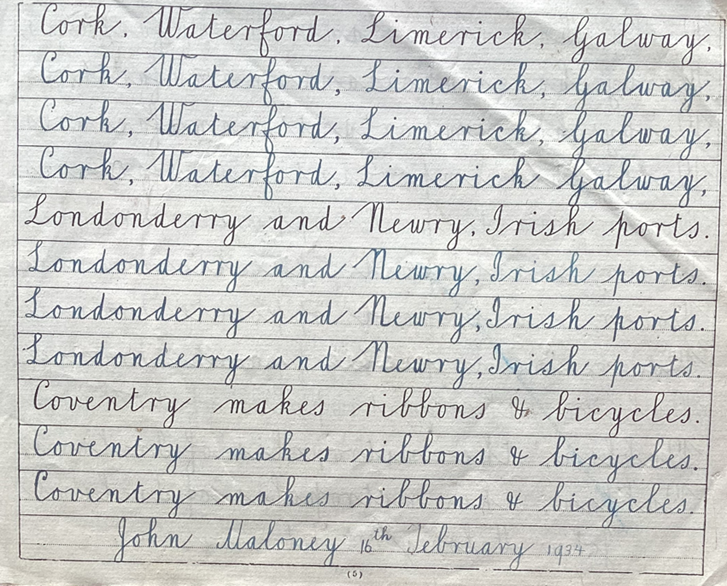
John Maloney again:
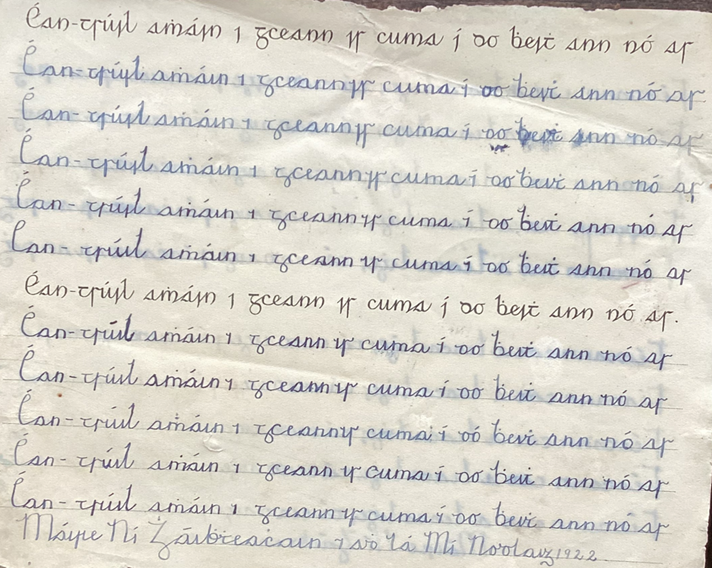
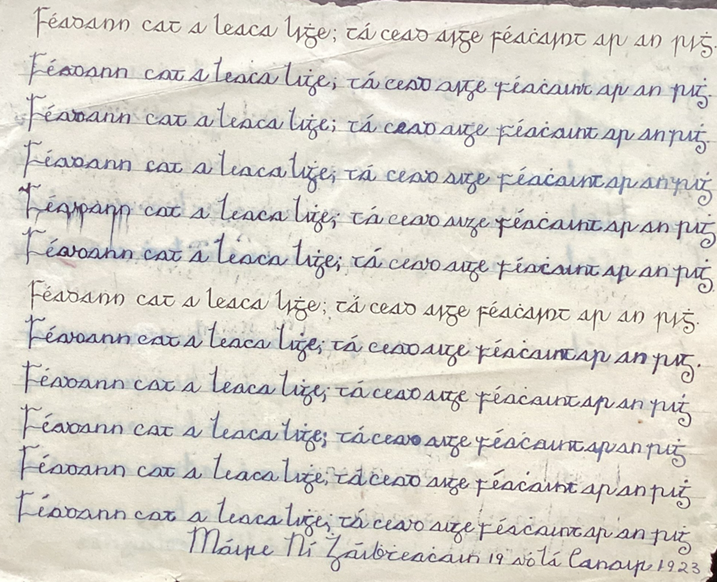
Here’s Mary Gavigan’s Irish script, 1922:
From Philomena Cannon, 1937:
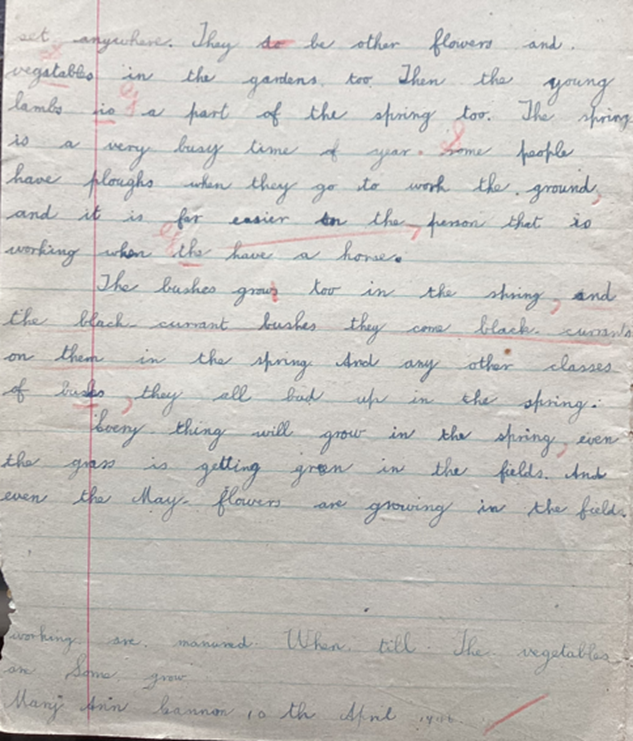
Here’s Mary Ann Cannon’s compositions, 1946:
Mary Gavigan again, 1923:
Vere Foster suggests more supervision of teachers:
Much later, in 1895 Vere Foster ruffled the feathers of both the teachers and the school managers of South West Donegal by suggesting that the teachers of Ireland get an increase in salary, but would then have to receive more supervision. At a meeting of the clergy and teachers in Kilcar in April 1875, this suggestion was voted down. Some of the teachers present on that day were: J. Gallagher and P. Murray, Kilcar N.S.; T. C. MacGinley, Croagh N.S.; J. Fisher, Muckross N.S.; P. McCloskey, Meenavally N.S.; P. McIntyre, Carrick N.S.; C. Cunningham, Malinmore N.S.; J. Harvey, Crove N.S.; R. MacGinley, Castletown N.S.; F. Carr, Coguish N.S.; C. McDevitt, Straleel N.S.; Mrs Cassidy, Kilcar N.S.; Miss O’Donnell, Teelin N.S.; John C. Ward, Killybegs N.S. (Commons School).
The quantity of fish, in tons and cwts landed by each boat, and the amount in dues payable to the Harbour Master
OWNER
BOAT
WHITEFISH
FISHMEAL
FISH DUES
CRANS
Charles McGowan
Pursuit
8-14
—
£2-3-6
Patrick Moore
Brothers’ Hope
11-1
1-8
£2-17-3
Neil Doherty
Fisher Lass
23-12
6-10
£6-7-9
Jim Doherty
Naomh Fionnan
25-14
3-9
£6-13-9
Frank Doogan
Realt Na Mara
20-15
4-13
£5-10-9
Seamus Doherty
Elizabeth Campbell
10-1
1-15
£2-12-11
Connie Devenny
Ros Mhuire
6-9
0-8
£1-12-11
Michael Roarty
Ros Geal
20-18
2-9
£5-8-3
—
Patrick Kelly
Lagun
12-5
13-18
£2-3-5
29
Manus Boyle
Donegal
6-15
0-15
£6-1-3
34
James McLeod
Muiranna
10-2
3-13
£2-3-5
261
Frank McCallig
Meta Bruce
7-3
16-9
£6-8-3
271
John McCallig
Marie Angelique
8-9
13-6
£8-13-3
443
James Boyle
Janireh
5-17
10-12
£6-13-5
353
Charles Gallagher
Mothers Wish
14-19
3-8
£10-11-2
525
Danny Gallagher
San Martin
1-6
—-
£6-9-9
493
Thomas Watson
San Paulin
15-18
27-7
£14-0-4
639
Teddy O’Shea
Sheanne
4-7
11-0
£9-0-6
569
Willie McCallig
Deirdre Maria
21-3
18-2
£6-7-8
678
Denis Carbery
Carraig Una
0-16
8-11
£7-8-10
528
Killybegs Trawlers
Yves Jean Gildas
27-13
52-10
£12-19-3
169
Pat Moore
Undaunted
11-19
3-0
£4-3-3
076
Albert Swan
Mallrin
20-9
4-9
£10-3-0
376
Michael Callaghan
Les Brisants
13-18
15-8
£5-17-8
100
David Thompson
Dayspring
3-3
0-14
£1-16-4
078
John Murrin
Brill
10-8
11-4
£5-12-4
174
Seamus Murrin
St Catherine
8-17
4-10
£2-11-0
—-
Thomas Murrin
Ard Carna
15-1
5-8
£4-12-8
037
Martin Moore
Magnificent
5-7
4-9
£2-2-3
047
Constantine Murrin
Moravia
7-3
2-15
£2-0-11
004
Maurice Moore
Girl Eileen
4-13
0-5
£1-3-8
—
Totals
31 boats
364-15
252-5
£183-11-7
5884
Those in bold are Rosses boats
The figures in columns 3 and 4 are tons and hundredweights, a system the Department used since the foundation of the State. On the other hand, the fishermen landed their white fish by the box (of approx. 7 to 8 stones). One box was listed by the Dept as a hundredweight, or ‘cwt’ for short.
The herring were landed as ‘Crans’, a cran being 4 wicker baskets of fish. There were approx. 7 crans to the ton.
Cargo Vessels:
21 Sept 1970: M. V. Wodan. 222 tons. 700 barrels herring. 2d per barrel: Tonnage dues: £5-11-0.
I made a pilgrimage to this holy well, and performed my station. There was a Mission of the Oblate Fathers in Killybegs, and thousands were flocking daily from all the parishes of Southern Donegal to assist at the religious exercises. All who came to the Mission made a pilgrimage to St Catherine’s Well, and made the usual station. Some told their beads in the English tongue, but most of them prayed in the grand old Celtic tongue they had learned in infancy in the wild recesses of their mountain homes, at their own mother’s knee.
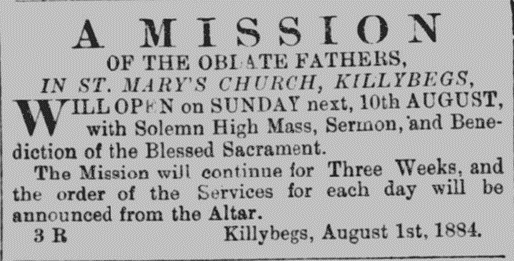
In that year of 1884, one hundred and forty years ago, a three week Mission was held in St Mary’s church.
In the ‘old days’ people travelling to attend a Mission in Killybegs parish would take the opportunity to attend St Catherine’s Well. So it was one hundred and forty years ago, in the summer of 1884. The crowds attending were so large that St Mary’s church could not hold them all. A packed church on warm summer evenings called for special arrangements to be made.
This was an extended Mission as was the custom then, and lasted for over three weeks. It was conducted by Fathers Dawson, Lawrence, and Furlong, priests of the Oblate missionaries, assisted by the local clergy.
At that time church attendance was very high, and during a mission the numbers were bigger than ever. The church was filled on the opening day, and on the following Sunday ‘the crush at the doors required all the powers of the committee to hold’. As this was the pre-electricity era, the altar was ‘lighted up with numerous wax lights, and decorated with a great profusion of flowers and shrubs’. Huge numbers came from the surrounding parishes, and on this evening the church was ‘filled with devout worshippers during the Exposition’. That sixteen priests were drafted to hear confessions gives an indication of the numbers.
But it was to get more intense. The closing ceremonies of the Mission took place on Sunday, 31st August. The day was hot and humid. Conditions within the church would be stifling. The ceremonies commenced with Solemn High Mass at 12 noon. Leading the choir was Thomas Colin MacGinley, (father of Bishop John Bernard MacGinley), assisted by Teresa Wade on the harmonium. People of a certain age will remember this lady as ‘Mrs McShane’ who resided in the premises now occupied by the Milis cafe on Upper Main Street. Father Lawrence gave the usual long sermon.
The evening service commenced at 6 o’clock, and long before that time the church was crowded to suffocation on that close and clammy evening. The sanctuary was completely filled, and even the altar steps, so that it became impossible to proceed with the service. At the same time there was a crowd outside nearly as large as that inside, trying to get in. The hot atmosphere in the church became unbearable. Finally, the priests decided that they would adjourn to the open air to carry out the ceremonies. They instructed the crowd outside to proceed to the yard of the Niall Mor School while the congregation within recited the Rosary. Soon those inside began to file out slowly, and without panic.
A temporary altar was set up in front of the porch of the School, and the immense crowd took up their positions in the yard and on the adjoining School Hill. Rev Father Cassidy, C. C., Donegal, read the first table of the law, and the Rev Father Furlong, O.M.I., in a voice which was distinctly heard fully 300 yards away, proceeded to explain the duties of the people towards their Creator, laid down in the first table of the law, including the first three of the Commandments. He concluded his sermon by asking the people to repeat the Act of Contrition in a loud voice, for their offences against the first three Commandments. Father Cassidy then read the Commandments contained in the second table of the law, and Father Furlong continued his explanation of the Commandments relative to the duties of the people towards their neighbours. Benediction of the Blessed Sacrament was given by Father Cassidy, and the Papal blessing imparting a plenary indulgence to those who had gone to confession and Holy Communion.
Their baptismal vows were then renewed by all present, including about five thousand persons, each holding a lighted candle. It was a magnificent spectacle to see so many lights, extending over the old school yard (where the former church once stood), and along the sides of the hillsides. Father Furlong said he had never before seen such a beautiful sight. By then night had set in, and the effect of so many lit candles created an immense feeling of devotion in those assembled. During the renewal of the baptismal vows the calm was so perfect that not a single light was extinguished, and the rain which fell a few miles distant during that time, passed over, with only a few drops falling.
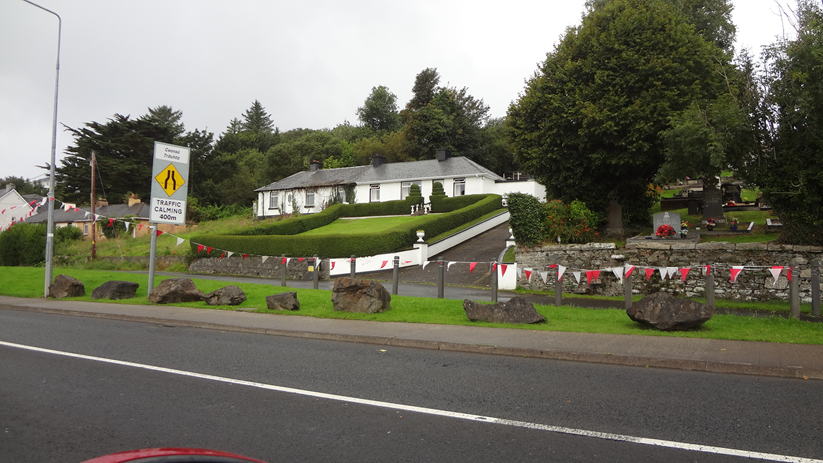
Over the years, visitors approaching Killybegs from Dunkineely were often delighted by the sudden sight of the harbour and its lighthouse coming into view. A little closer to town, they would come across five well-kept cottages by the roadside. Positioned on a raised plot overlooking the harbour, with their terracotta-red exteriors and gardens brimming with flowers, these houses created a welcoming entrance to the town. In more recent times, the maturing cherry blossom trees that are planted alongside the footpath, have further enhanced the entrance to the town. With its green and leafy frontage, and view of the harbour and Donegal Bay, it is a pleasant location in which to live.
These five original cottages on Donegal Road were part of a housing scheme initiated by the Donegal Board of Health in the 1930s. Another five of the same scheme were built at the top of the same field, facing Church Road. Although not as prominent as the ‘lower’ cottages, the houses next Church Road are located in an equally desirable suburban setting.
Two of the Donegal Road cottages on the east side, formerly Kennys’ and Patchells’.
In the early 1930s retired headmaster, Patrick A. Mulreany, had been advocating for more housing in Killybegs. Mulreany was the most prominent man in Killybegs in that period, apart from the P.P., and the method he adopted to further this object was a very practical one. He enlisted the help of T. D., Brian Brady, and formed a ‘Sites Committee’ made up of local residents.
The Board of Health was reluctant to build houses in Killybegs, maintaining that there was not a square foot of level ground there. Eventually, responding to the Committee’s pressure, the Board’s architect visited the town in March1933 and was shown the available sites by committee members Patrick Mulreany, Charlie McIntyre (auctioneer), Joe Cunningham (contractor). The chosen site was approved, and Joe, who handled most local construction projects, was appointed as the contractor. Joe was the grandfather of Jimmy White. The large site ran from the ‘top road’ down to the Donegal Road. In those days it was the norm to provide a large plot of ground with each house, for growing potatoes and other vegetables.
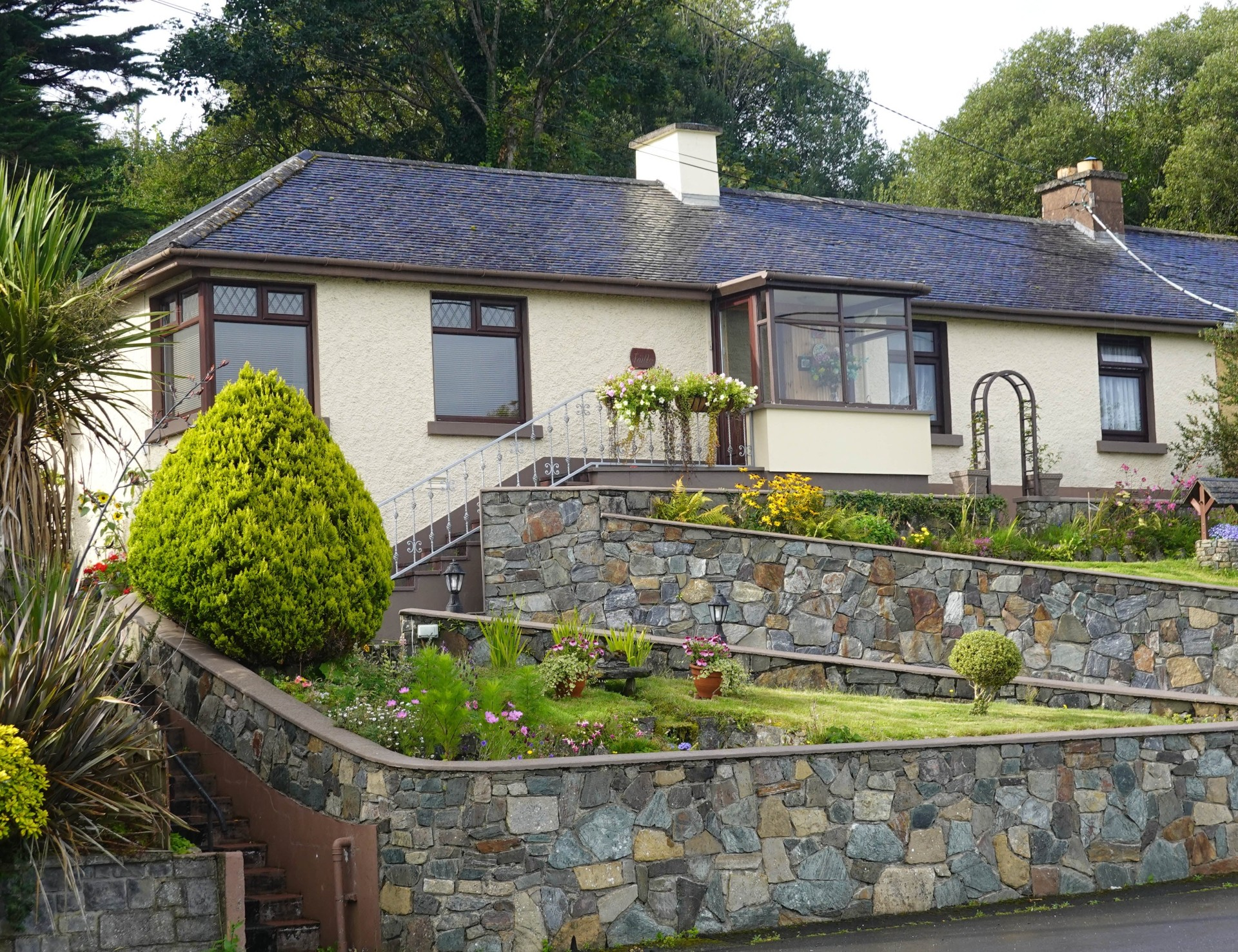
One of the Donegal Road cottages, on the west side, originally Hegartys’. (Photo courtesy of Plunkett Smith)
The local authorities in Donegal, then as now, were not noted for their speed of action, and the new scheme seemed to be bogged down. By January 1934 people were wondering when work would start. But it would be twelve months further on before the contractor got the go-ahead to begin.
By April 1935 the cottages were ready for roofing, and were finished in December of that year. There were twenty applicants for the ten houses, and the successful tenants were chosen on Monday, 20th January 1936. They received their keys on the 1st March. There was one detached house at the town end both on Church Road and Donegal Road.
These are the tenants and their former addresses (from west to east):
Church Road houses: Con McBrearty, New Row; Mrs Eliza Wynne, Coastguard Station; Mrs Catherine Smith, Bridge Street; Patrick Kinsella, Stonybatter; James Conwell, New Row.
Donegal Road houses: John Dowds, St Catherine’s Road; William Hegarty, Stonybatter; Con Hegarty, New Row; Joe Kenny, St Catherine’s Road, John Gallagher, Bridge Street. All the houses on the Donegal Road and one on the other group were allocated to fishermen. John Gallagher did not avail of the offer, and ‘his’ house (next the graveyard) was allocated to Jim Patchell.
Mr Patchell was known in Killybegs as the gardener of Captain Griffith G. Philipps, who lived in Rockmount (now the Parochial house).
Jim, who was christened James William Barrett Patchell, was born in Carricknagore House to Clara Eliza Clementina Theodosia (nee Barrett) and Robert Patchell, a Derry-based commercial traveller. In 1913 he married Marjory Robinson, a servant in Killaghtee rectory, and daughter of Jack Robinson, a fisherman. They had two children, Robert John, born in 1914, and Maria, born in 1916. Unfortunately Marjory died within a week of Maria’s birth; she was buried in St John’s churchyard. Their house was listed as being on Chapel Lane but it is now too late to identify its location. Jim Patchell and his two sons moved into their new cottage and resided there until 1942 when Jim died.
Not much is known about the Patchell family, except that Robert John was a sometime driver for John Joe Gillespie, who ran a taxi service.
The cottage was then allocated to Jim and Madge Murrin who had been living on New Row, and the house continues to be in the ownership of that family today.
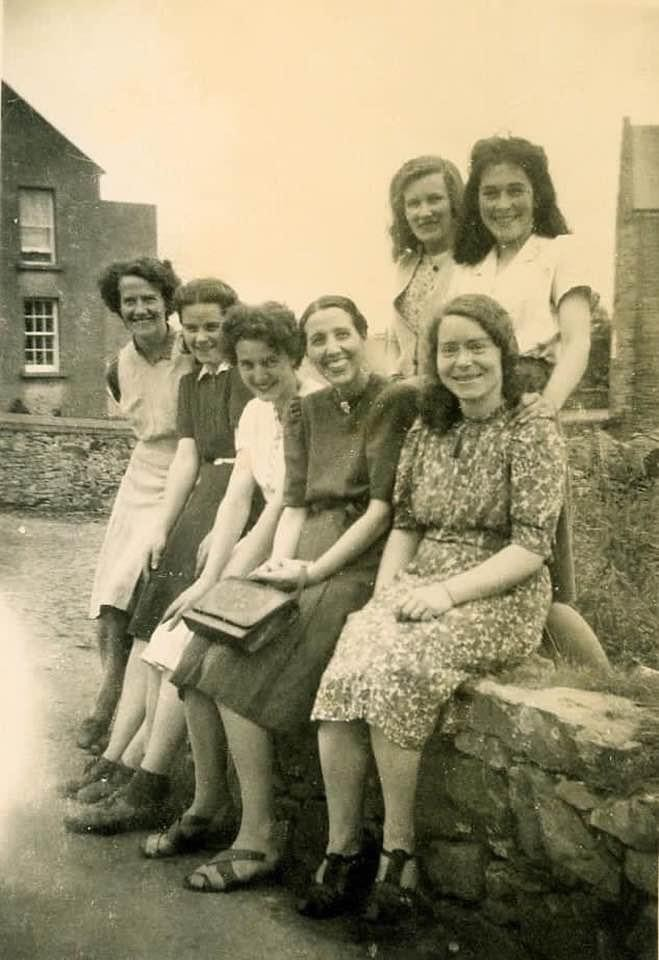
Three of these carpet factory girls in this photo lived in the Donegal Road cottages: Mary Dowds and Nellie Hegarty (second and third from left) and Susan McGowan (top right). Photo courtesy Eugene McHugh.
It was planned to erect twelve more cottages soon after these, but they were never built. It is possible that the onset of the War prevented this scheme from going ahead. It was not until after the War that the Board of Health built the next scheme of cottages in Killybegs. In 1948 they purchased a site at the Grey Rock, Conlin Road, to build houses for the Boatyard workers.
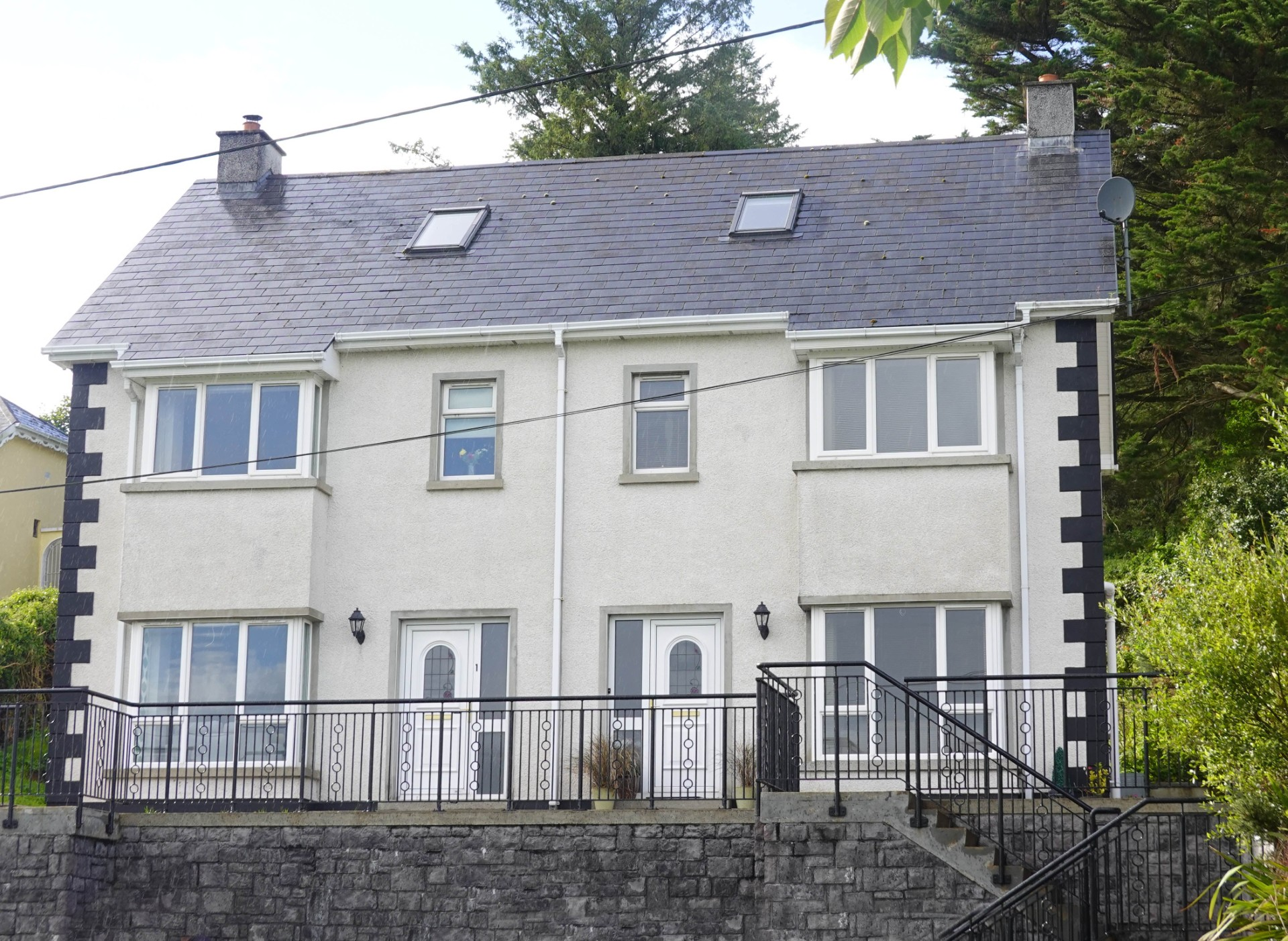
This building is now on the site of the former Dowds detached house on the Donegal Road. Photo courtesy of Plunkett Smith.
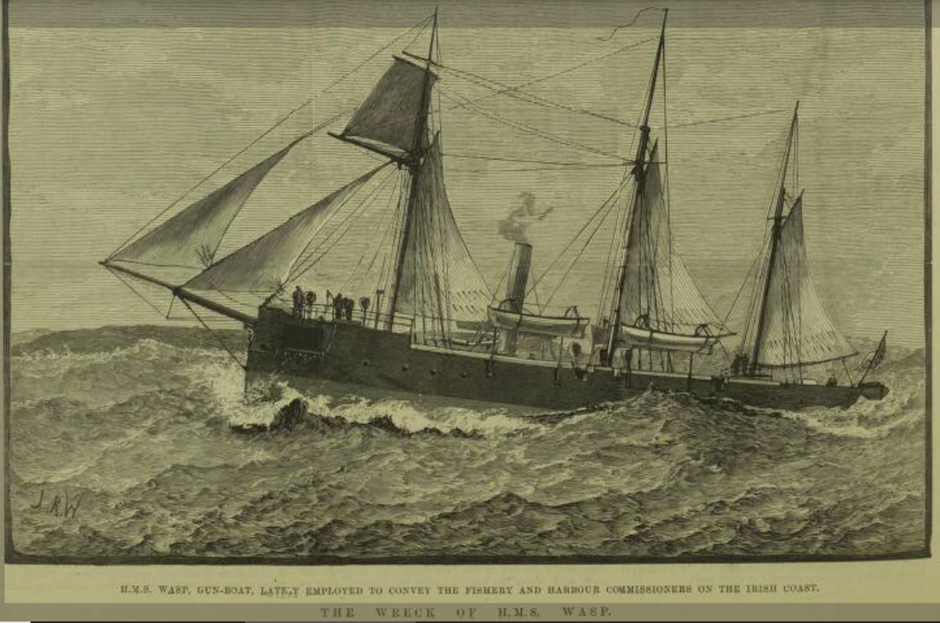
This month marks the 140th anniversary of the sinking of the British gunboat Wasp off Tory Island on September 18, 1884. Originally tasked with patrolling Ireland’s western waters to prevent smuggling, gunboats like the Wasp had largely become obsolete by the 1880s, as large-scale smuggling had declined. By then, smuggling was mostly limited to transporting poitín from small ports west of Killybegs across Donegal Bay to Sligo. As a result, vessels such as the Wasp were often repurposed, delivering relief supplies like oats and seed potatoes to the western seaboard during crop failures.
The Wasp under sail. Courtesy of the Illustrated London News
The folklore surrounding the Wasp in Donegal has always carried an anti-British sentiment, stemming from its mission to evict families from Inistrahull Island. In the spring of 1883, the ship had been involved in famine relief efforts, delivering Quaker-supplied potatoes to various ports along the Donegal coast, including two visits to Tory Island. The crew reportedly disliked this work, finding it laborious and unpleasant.
By September 1884, the Wasp was hired by the police to transport bailiffs to Inistrahull Island to carry out evictions. The sailors resented this task as well, with some stating, “They never joined the British service to do the work of an agent or bailiff.” It was during this mission that the Wasp struck a reef near Tory Island and sank, resulting in the tragic loss of 52 crew members. This catastrophe is widely known, so its details will not be recounted here.
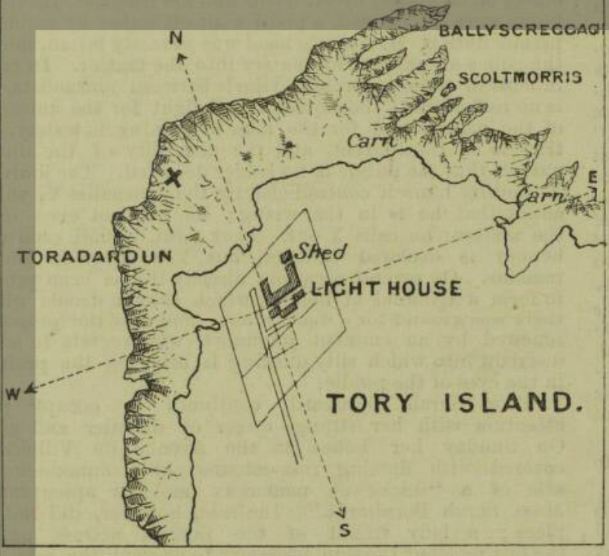
X marks the spot where the ship went down. (Image courtesy of the Illustrated London News)
The Wasp is connected to Killybegs through the marriages of three local women to sailors from the ship. In the summer of 1882, the Wasp docked at Killybegs, where Stoker David Flynn married 27-year-old Lizzie McGroarty. In 1883, another sailor, Fred Frost, married Jane McNelis. Lastly, just three months before the disaster, able seaman Albert J. West married Mary Cunningham in August 1884.
Another important figure with ties to Killybegs was Rev. J.J. O’Donnell, the parish priest on Tory Island at the time of the disaster. Previously the manager of Killybegs Industrial School and later the parish priest of Kilcar, Father O’Donnell played a key role in aiding the six survivors and providing spiritual care to those who perished. For his efforts, the British Admiralty acknowledged his “kindness and energy” during the tragedy. Father O’Donnell later passed away in Kilcar, where his headstone can still be seen outside the entrance of St. Cartha’s Church.
Lieutenant Commander Nicholls, the Wasp‘s captain, was among the victims. His body was recovered by Phil Boyle of Arranmore Island, who braved a heavy gale and rough seas to bring the captain ashore. Boyle described his efforts, recalling how he retrieved the naked body of Nicholls, who was likely on the bridge in his nightclothes when the ship went down. David Flynn’s body was later found washed ashore in Sheephaven Bay, while Fred Frost’s body was discovered on Innisbofin Island. Both men were buried in local graveyards. Their widows, Lizzie Flynn and Jane Frost, lived out their lives in Killybegs, passing away in 1937 and 1924, respectively. Mary West, who had married just before the disaster, died in 1936. Jane Frost had a daughter, Mary Jane, but she died at age 15
Rosses Fishermen Drowned
The sinking of the Wasp overshadowed another local tragedy: the drowning of two Donegal fishermen around the same time. On the evening before the Wasp disaster, three Rosses fishermen—Morgan Sweeney, John O’Donnell, and Hugh O’Donnell—went to sea to retrieve their lobster pots amidst a brewing storm. After lifting the pots, their boat struck Carrickaphlanda rock and sank. Hugh O’Donnell swam to safety, and was cared for by William Griffith of Termon House. Morgan Sweeney and John O’Donnell perished. John’s body was found the next morning near the wreck, and Morgan’s body was recovered a few days later.
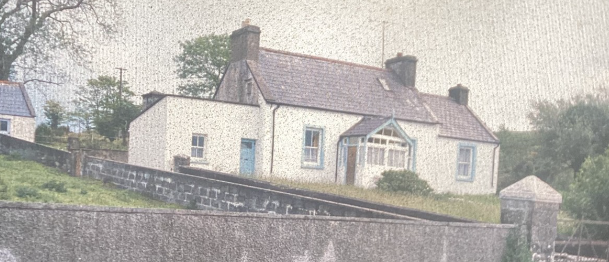
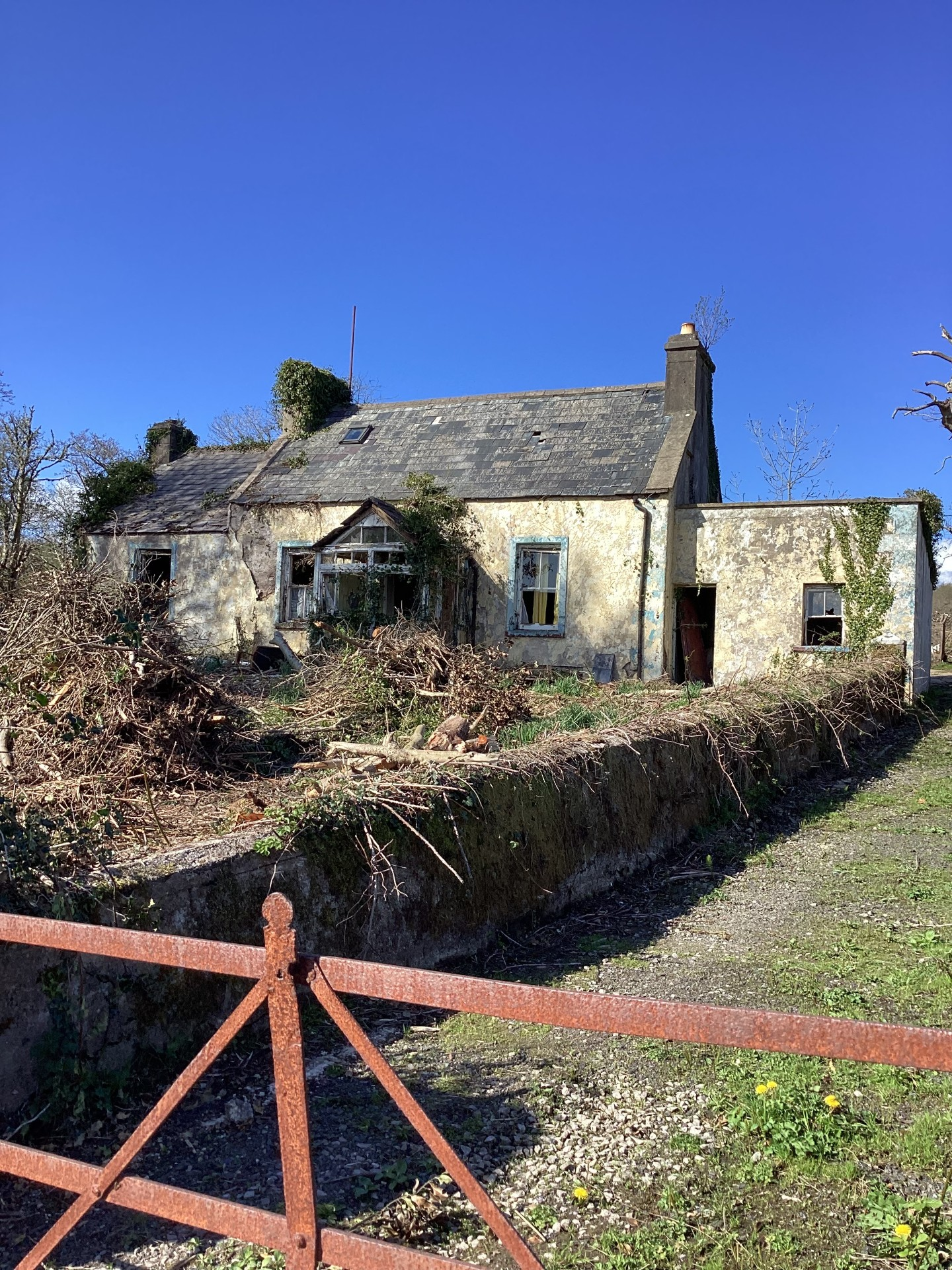
Located about a mile from Killybegs on the Donegal Road, St Kieran’s Cottage is a notable landmark on the left, just past the Little Cells Park. Currently, local contractor John Cunningham is undertaking its reconstruction. Once completed, the cottage will complement the neatness of the Park, and significantly improve the approach to the town, which is much needed.
EDMOND RYAN
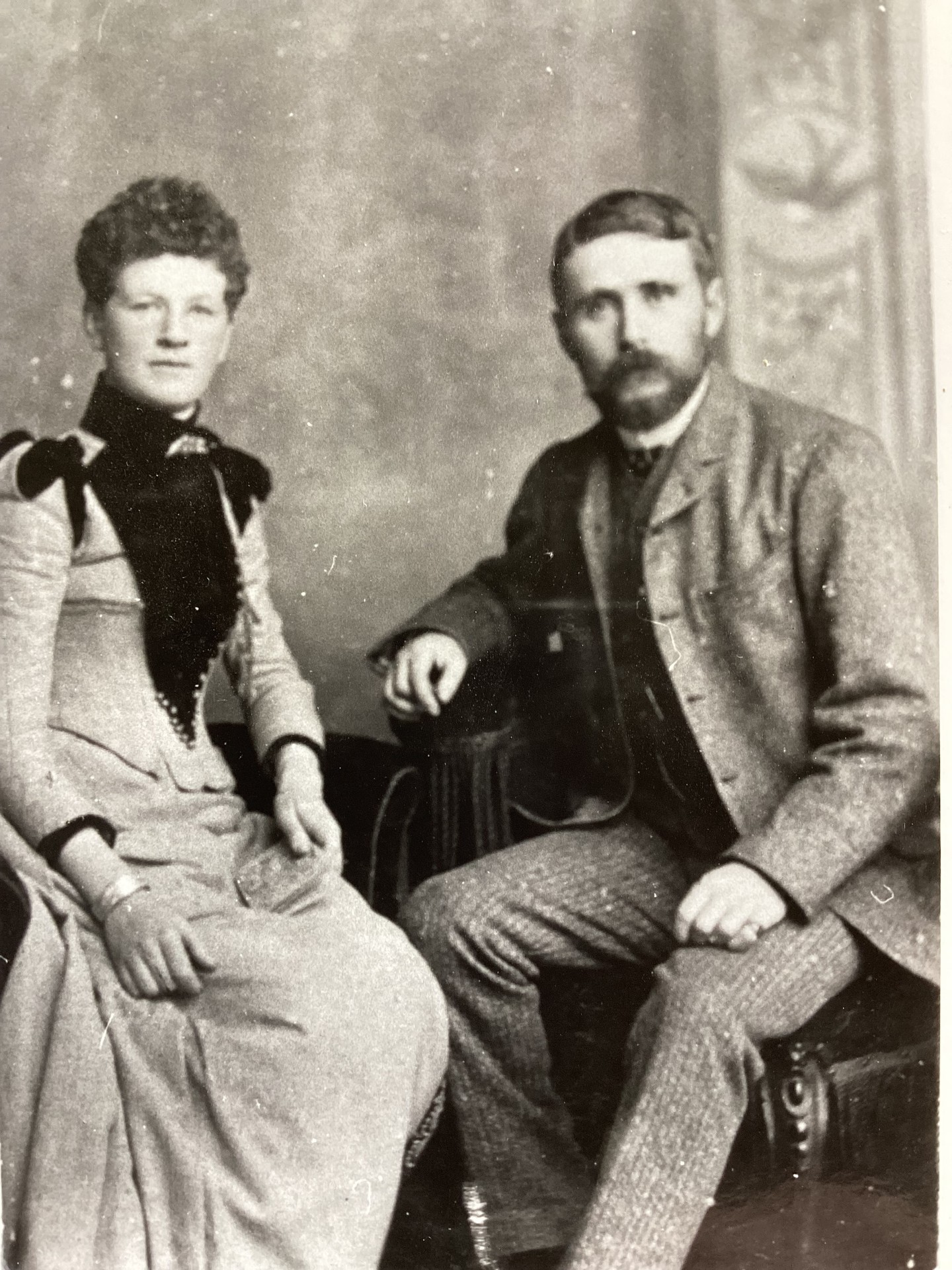
A son of a former Mayor of Limerick, Edmond Ryan named the cottage St Kieran’s when he resided there at the end of the 19th century. Following an earlier visit to Killybegs, he married local girl Ellen Jane McLoone. She was the eldest daughter of the wealthy and notorious Neil, the man who would go on to build the Royal Bay View Hotel. But Edmond and Ellen Jane were not the first occupants of the cottage.
Ellen Jane and Edmond Ryan
THE RYANS OF LIMERICK
Edmond Ryan visited Killybegs and (a) fell in love with, or (b) was matched with Ellen Jane McLoone. Ellen’s father was the most prominent merchant in Killybegs at that time. The McLoone family lived in the premises now known as Sweet News. Considering Neil’s fearsome reputation as disputatious and litigious, it would be odds-on that Ellen Jane fell under option (b) above. The fact that Neil McLoone had to keep his six daughters in style might also have contributed to Ellen Jane’s fate. The extent of Neil McLoone’s influence is indicated by the fact that family photographs, including the one of Ellen Jane and Edmond above, were taken in Killybegs by the photographer of the famous William Lawrence company.
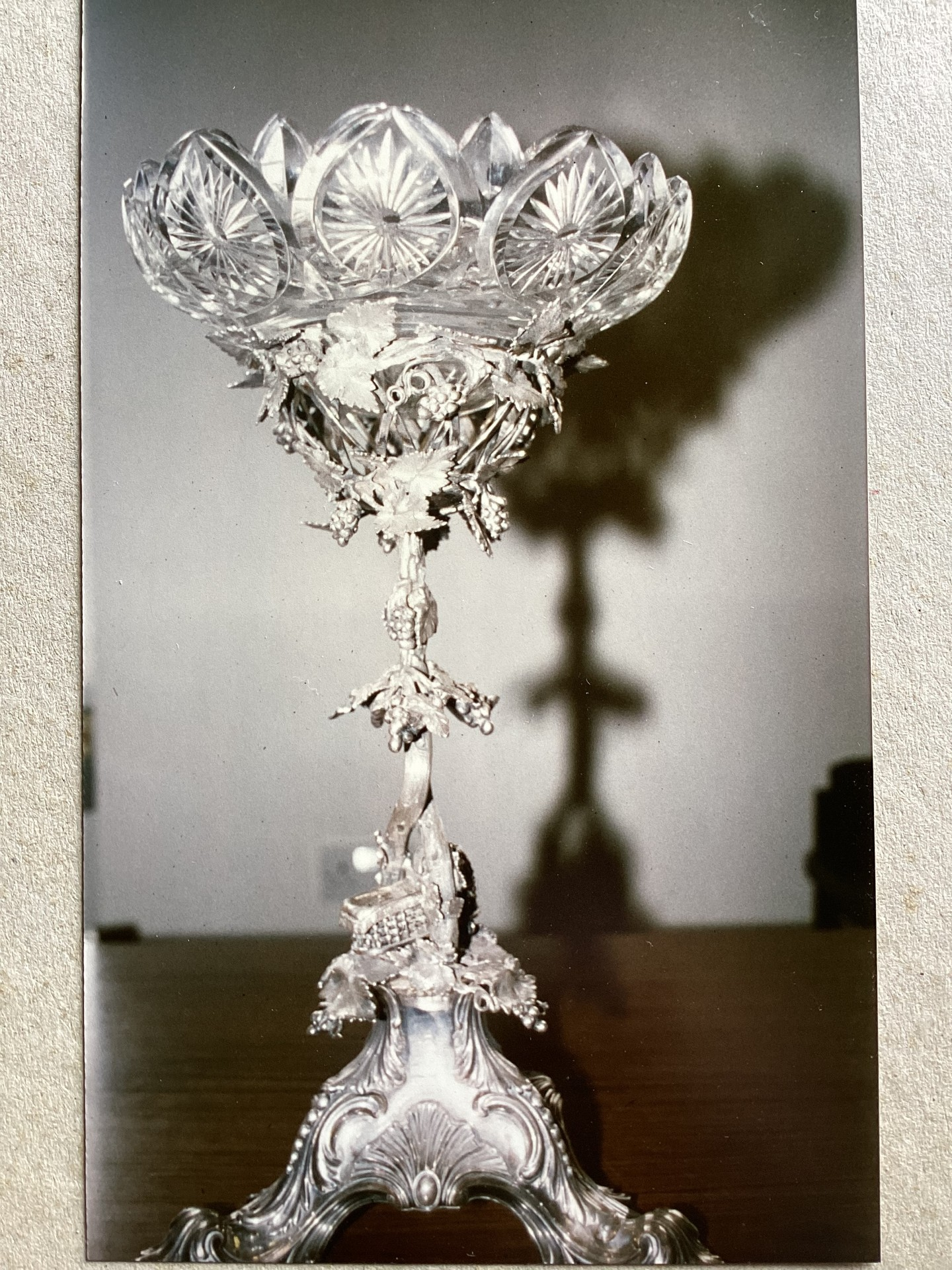
Edmond Ryan’s father moved in the upper levels of Limerick society, had been a former Mayor of City, and was reputed to be connected with the titled classes. When his son Edmond was born, the Corporation of Limerick presented him with a solid silver table centre piece, incorporating a tiny silver cradle.
Silver Christening Bowl incorporating a tiny cradle, presented on Edmond’s birth. (Photo courtesy of Limerick Museum)
Edmond and Ellen Jane McLoone were married in St Mary’s church in August 1884, she being 24 years of age, and he 26. It was a ‘high society’ wedding. (Killybegs high society – that is). It was a social occasion not to be missed – whether you were invited or not.
MOVING INTO THE COTTAGE
The newly married couple moved into St Kieran’s cottage some years after this. In the eleventh year of the marriage Ellen Jane gave birth to a son in 1895, named Edmond Kieran after his father – he became known as Kieran in Killybegs. Edmond senior’s eccentric behaviour soon attracted local attention, with numerous tales depicting him as a foolish clown. There were many tales of his eccentricity, but no doubt these stories were much exaggerated by the local wags. It was said that he would often imagine himself as a priest, and had a habit of going into neighbours’ houses to say ‘Mass’. Despite his devout religiosity and peculiar habits, Edmond saw himself as a leading citizen of Killybegs, attending public meetings where he always offered his opinion. He was a popular choice for performing at concerts, where he entertained the audience with a first class singing voice, and his skill with musical instruments.
For example, a concert was given in Killybegs in 1893 by the officers and men of the British gunboat Amelia, anchored in the harbour. (See a note on the Amelia at the end). At this concert Edmond demonstrated his extensive vocal range. He ‘brought the house down’ when he sang the ‘Low-backed Car’, and in response to an encore he sang ‘Pat Molloy’. On another more solemn occasion – the funeral of Mary Murrin of Bruckless (of the former Mary Murrin’s premises) in 1907- Edmond, accompanied by his young son, Kieran, in the church choir, played the harmonium and sang The Dead March from Saul. He enacted the same performance at the funeral Mass of Mary’s husband, Joe, in 1903.
Of Edmond’s wife, Ellen Jane, very little can be said; she seemed to have lived a retiring life in her little cottage at Lough Head. Eddie himself died in mysterious circumstances in Travers’s Hotel in Donegal town in 1928 where he had been staying for ten days. He was found lying on the floor of his bedroom in the hotel, having suffered a heart attack. Why he was staying there for that period was never made public. He had received Holy Communion at first Mass in St Patrick’s church in the town on that morning, and had attended the eleven o’clock Mass also.
JOSEPHINE McLOONE
Ellen Jane’s youngest sister, Josephine, who was known as ‘Josie’, married John Cleary, an engineer, in Dublin, in 1905. Nothing is known of John Cleary except that he was a nephew of Janet Gunn, the wife of Captain John Gunn, of Killybegs. You will already know that Captain Gunn was sometime Divisional Commander of Coastguards for the Killybegs District, and resided in ‘The Moorings’, Church Road.
Following their marriage, Josie and John Cleary went to England where they ran a hotel in Bath. The marriage was not a success, and Josie returned to Killybegs where she set up a millinery shop in the present Sweet News premises, her old home. At this time she resided with her sister and nephew in St Kieran’s, Lough Head. With advancing age and deteriorating eyesight Josie was committed to St Mary’s Home for the Blind and Partially Sighted, Dun Laoghaire, in 1953, and died there on May 3rd, 1959.
Josephine McLoone/Cleary
KIERAN RYAN
Josephine’s nephew Kieran was a popular figure about Killybegs for very many years, and although having an agreeable personality, exhibited some of the same traits as his father. Naturally the local corner boys exaggerated whatever Kieran said, thereby making him out to be a simpleton, which he was not.
A small incident of the 1940s provided a wee story about Kieran. As a child my parents bought me the Beano every week for I don’t know how long. One day my mother, when we lived in Stonybatter, while down town shopping, she got the Beano to take home to me. This was bought in Mulhern’s newsagent’s shop on Elmwood Terrace. My regular readers will already know that Mr Mulhern wore his hummel doddies while behind the counter in his shop. Unknown to herself my mother dropped the comic on the street, and went back to find it. She found Kieran Ryan reading it outside the front door of Coanes’ Hotel (now Cope House), and he handed it over with a smile. Although the Beano was good fun for anyone, no adult in Killybegs would admit to reading it, but Kieran was so innocent that he did not care what people thought. He was fond of playing chess, especially with Jack Kelly, N. T., something the same corner boys might struggle to accomplish. The gentle Kieran died in St Joseph’s Home, Stranorlar in October 1971, aged 76.
A NOTE ON THE FAIAFANNON McCLOSKEYS
One other family is known to have lived in the cottage prior to the arrival of the Ryans. Francis McCloskey, an extensive sheep farmer, of Faiafannon House, resided there with his family. Faiafannon is a townland which lies to the east of Killybegs, and the traveller must pass through it while going in the direction of the town reservoir. The present Faiafannon House is not the original one; it was built by Michael Gallagher, a native of the place.
Francis McCloskey married Susan Kerrigan from Stranorlar in 1851. They had five children, starting in 1853: Ellen, Catherine, Joseph, Francis T. Kerrigan, and Dora. The mother died at the time Dora was born. Francis married secondly Susan Brady of Killybegs, and a girl, Bella, was born to them. In 1870, Francis offered Faiafannon House for sale, and took up residence as a tenant in the cottage. By 1878 Francis was dead and the tenancy passed to his widow, Susan.
Bella McCloskey, the youngest daughter of Francis and Susan (Brady), appears to have been born in the cottage. She married James Murrin of Croaghlin in St Mary’s church, Killybegs, in 1894, and in 1897 became the mother of the Bridge Street publican, Jim Murrin. Jim, always prominent in the affairs of Killybegs, became the father of the late Co. Councillor and solicitor, Brendan. Jim was born in January 1897, but his mother, Bella, died six weeks later at the age of 28. Widower James Murrin married again, in July 1897 this time his bride was Mary Ann Conwell from the grocery shop where Hegartys’ Spar store is now located. James and Mary Ann ran a public house on the corner of Old Bridge Street and Back Street. Situated diagonally opposite Murrins’ pub stood Quigleys’ grocery shop, where Mary Ann’s sister, Lizzie, was the devoted wife of Dan Quigley, the proprietor of the shop, and pillar of Killybegs society.
OWEN’S BRAE
The brae leading up to Faiafannnon House is known as ‘Owen’s Brae’; the ‘Owen’s’ is pronounced locally as ‘Oin’s’, with a sound like ‘coins’. Owen McCloskey, the father of Francis, it was who most likely gave his name to ‘Owen’s Brae’ There was also an Owen McBrearty living in the area. Francis McCloskey was the biggest farmer in the district, having held the entire townland of Crocknafeola under lease, as well as several other fields around and about Killybegs.
THE GUNBOAT AMELIA
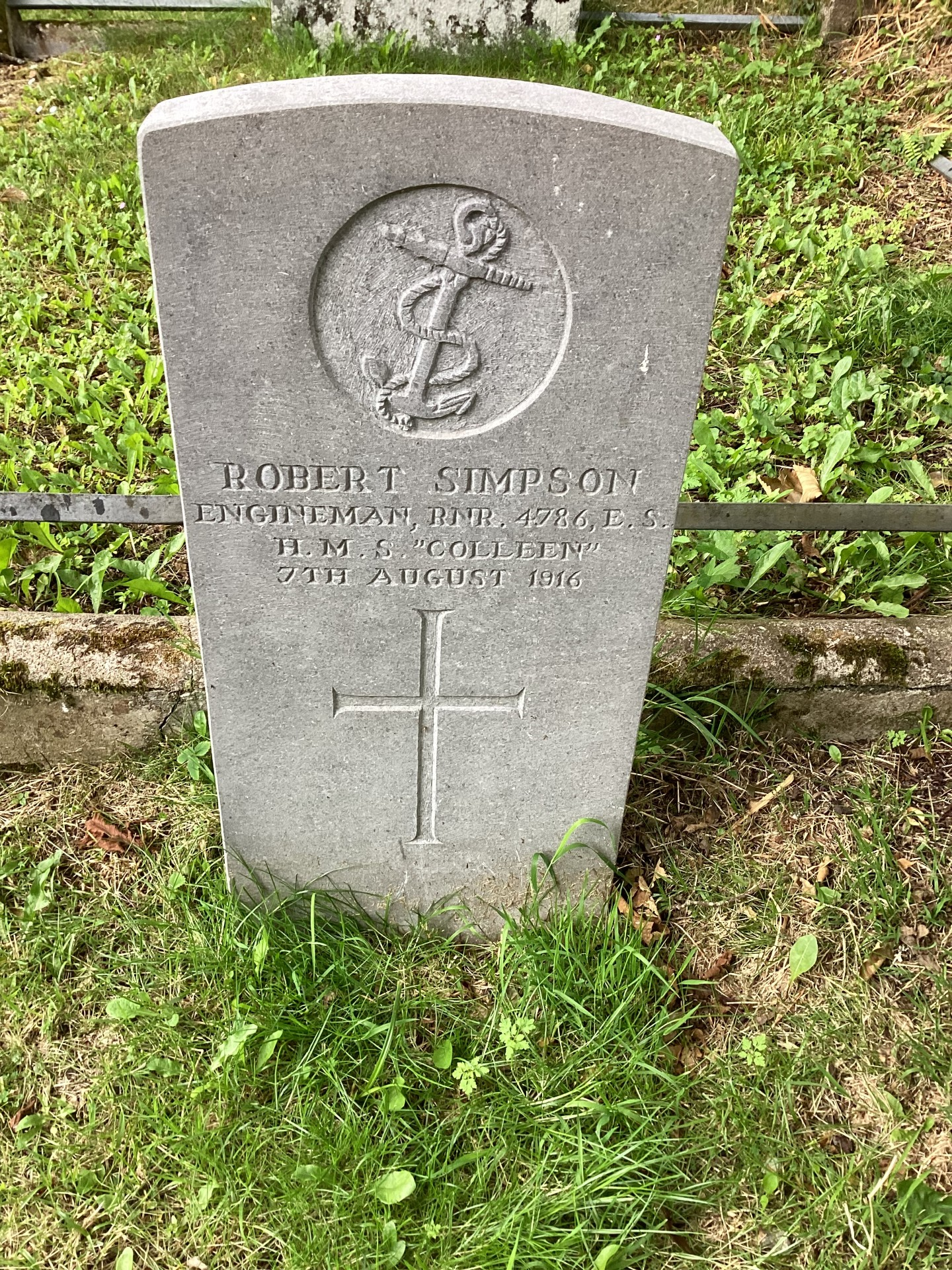
British gunboats were regular visitors to Killybegs throughout the nineteenth century, but by 1893 they were redundant. The Amelia was launched in 1869, but she was first named HMS Hawk. She was renamed Amelia in 1888, and again renamed HMS Colleen in 1905. By the time of the First World War she was most likely a support ship for the submarine base in Killybegs harbour. It was from the Colleen that engineman Robert Simpson, a native of Hull, was drowned in 1916. He was interred in St John’s cemetery, Killybegs.




 killybegsbooks
You must be logged in to post a comment.